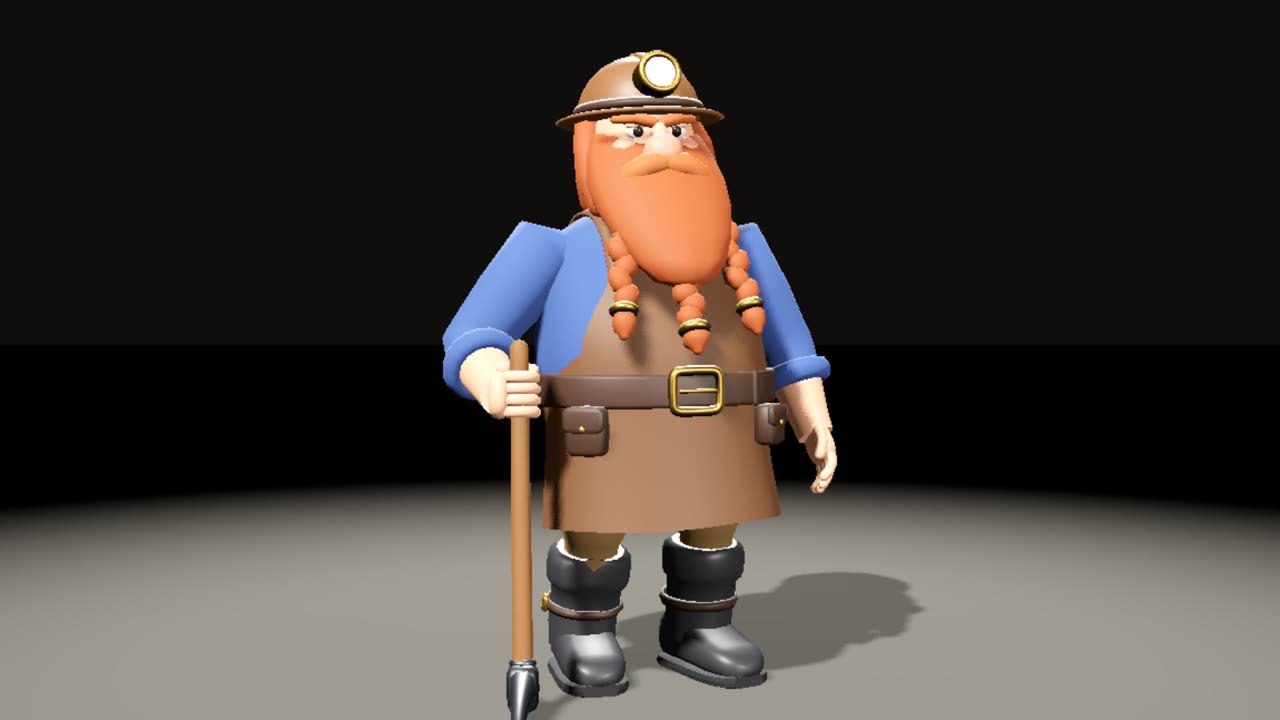
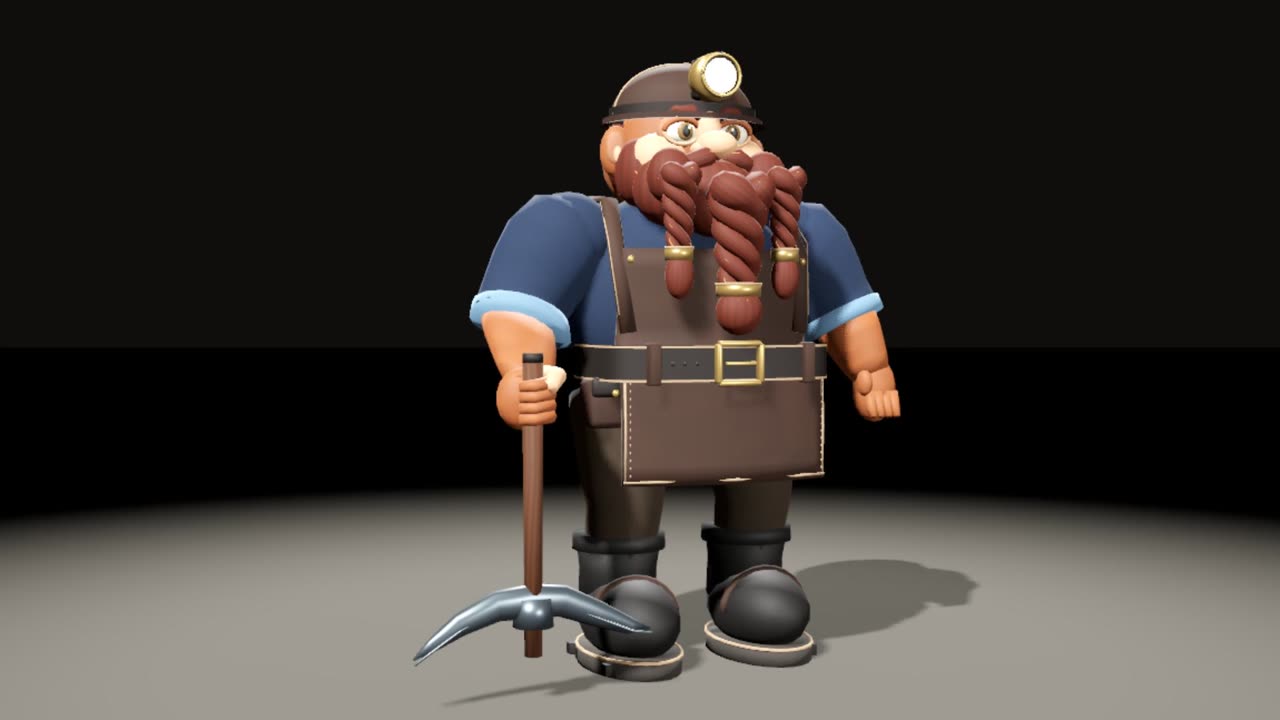
Opus 5.5 vs GPT-6.1 Sol in Blender: One Cost 7x More
2 min read
Build log ·
Last time, four AI models built this dwarf miner with no Blender, written out as text. This time the two best, Claude Opus 5.5 in Claude Code and GPT-6.1 Sol in Codex, get Blender, and they have to animate the walk themselves. Same prompt, same reference picture. Each ran Blender from scripts it wrote, exported the character, and made a small Godot game where he walks back and forth with his feet planted.
The test
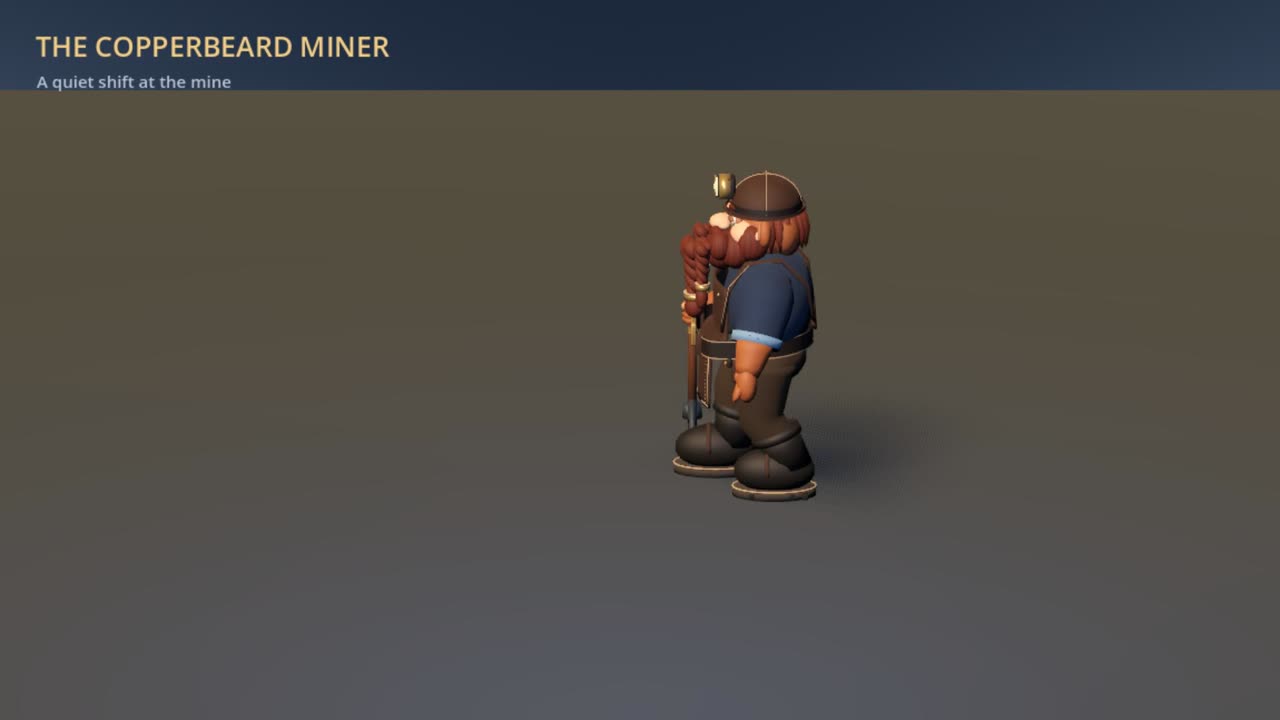
Then all four dwarves, with and without Blender, were filmed in the same studio and measured the same way: geometry under the floor, triangles, the clips as imported, and how far a planted foot moves in each game.
The prompt
The exact prompt both got:
Build a game-ready 3D character for a Godot game: a stocky dwarf miner with a thick braided beard, a leather helmet with a lamp on the front, a wool shirt under a leather apron, a wide belt, heavy boots, and a pickaxe in his right hand. Make him look like the reference picture. Build him in Blender. Blender 5.1 is installed on this PC and blender is on your PATH: run it in the background from your shell, with blender --background --python and scripts you write, and keep those scripts and your .blend in a folder named blender in this game, so he can be built again from them. Everything about him is made in Blender by your scripts: the mesh, the materials, the skeleton, the skinning, and two animation clips you key yourself, named Idle and Walk. Both loop, and the Walk is a walk cycle that stays in place. Export him as one .glb into this game. Anything that ships with Blender is yours to use. Don't use Flockbay's modeler or its asset library, don't use Tripo, Meshy or any other 3D tool or service, and don't download anything: no model, rig, animation, texture or add-on. He has to look right from every side, not just the front, and hold together while he walks: his knees, elbows and shoulders bend cleanly, his beard and apron move with him, nothing pokes through, and the pickaxe stays straight and in his hand. Keep him within a triangle budget a game could ship. In the game he is about a dwarf's height in metres, stands on the floor and faces -Z, Godot's forward. Then put him in the game: one small scene with a floor, a light and a camera at his side, where he walks back and forth across the floor on his own, playing the Walk clip and turning round at each end, with his feet planted, not sliding. Make it the game's main scene. Use Blender from your shell to build him and to look at him. Run and test the game only through Flockbay's tools: flockbay_play, flockbay_run_headless, flockbay_script_errors, flockbay_game_input, flockbay_game_get, flockbay_game_set, flockbay_game_screenshot, flockbay_last_run and flockbay_stop. Don't start Godot from your own shell, and if one of those tools can't do something you need, say exactly what was missing in your handover. Look at your own work, fix what you see, and hand him over when you think he's done.
What was judged
The character against the reference, and beside the dwarf the same model built without Blender: silhouette, proportions, colours, hands, from every side.
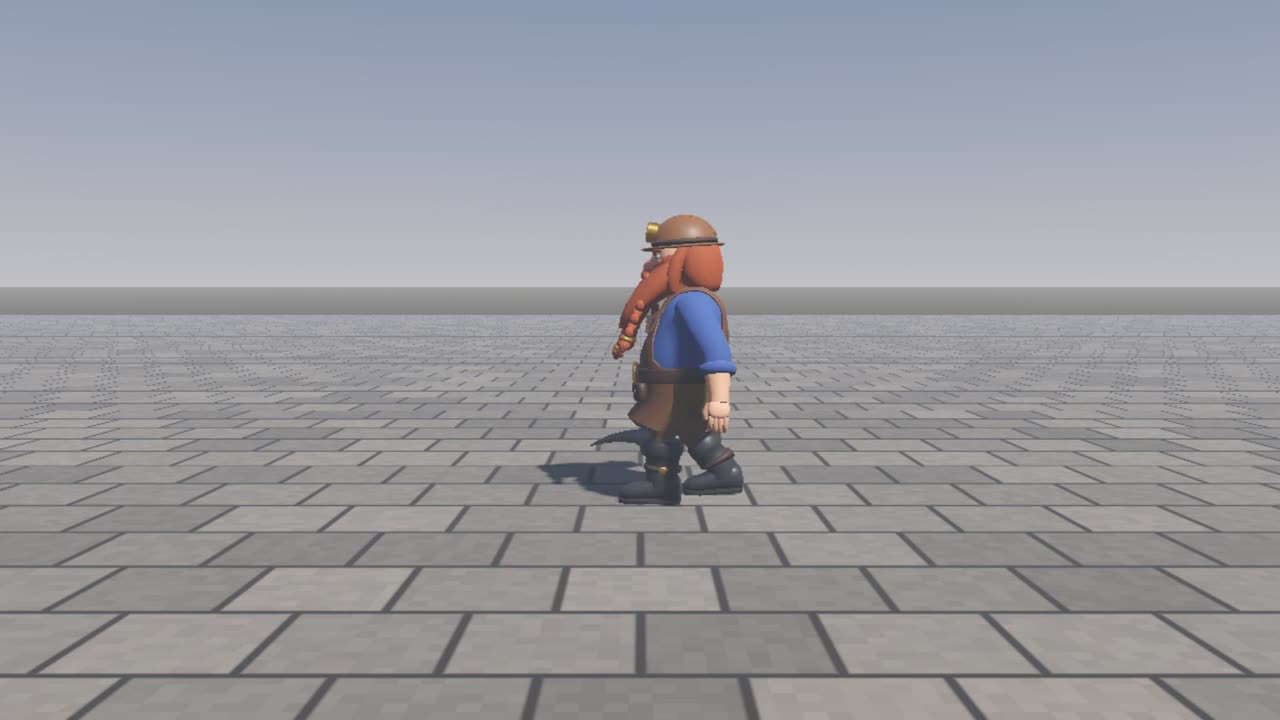
The walk it keyed: the four poses, the joints, the feet, the seam, in the studio and in its own game.
The build: a clean import, triangles, materials, file size, bones and skinning, height and facing.
How it worked: Blender runs, renders it looked at, Plays, what it fixed between them.
What it cost, beside the same model's run without Blender: minutes, tokens, and the estimated API bill.
In the video
[0:00](https://www.youtube.com/watch?v=uIJJ9p9ckq8&t=0s) Last time: no Blender
[0:13](https://www.youtube.com/watch?v=uIJJ9p9ckq8&t=13s) The rules this time
[0:35](https://www.youtube.com/watch?v=uIJJ9p9ckq8&t=35s) Claude Opus 5.5's dwarf
[1:09](https://www.youtube.com/watch?v=uIJJ9p9ckq8&t=69s) Why a walk slides
[1:56](https://www.youtube.com/watch?v=uIJJ9p9ckq8&t=116s) GPT-6.1 Sol's dwarf
[2:34](https://www.youtube.com/watch?v=uIJJ9p9ckq8&t=154s) Where both slip: the turns
[3:09](https://www.youtube.com/watch?v=uIJJ9p9ckq8&t=189s) Under the hood: two ways to plant a foot
[3:52](https://www.youtube.com/watch?v=uIJJ9p9ckq8&t=232s) The bill
[4:17](https://www.youtube.com/watch?v=uIJJ9p9ckq8&t=257s) The pick
The results, measured
| Claude Opus 5.5 | GPT-6.1 Sol | |
|---|---|---|
| time to hand over | 36.7 min | 39.6 min |
| Blender launches | 49 | 17 |
| estimated API cost | $10.48 | $1.55 |
| triangles | 19,048 | 36,230 |
| textures | none | 8 |
| file | 759 KB | 1,987 KB |
| height | 1.32 m | 1.43 m |
| Walk clip | 1.0 s | 1.2 s |
| Idle clip | 2.5 s, the head turns 6.6 degrees | 3.0 s, a breath |
| geometry under the floor in the walk | 0% of frames | 0% of frames |
| speed in its own game | 0.55 m/s | 0.43 m/s |
| a planted foot on the straights | does not move (0 to 1 mm) | does not move |
| in a turn-around | the planted boot turns 48 to 72 degrees on the spot and the other foot drags up to 7.3 cm | a foot jumps 11.3 to 15.8 cm in a thirtieth of a second |
| how its game plants the foot | the clip moves the body | a fixed speed and a foot IK lock |
Costs are estimates at public API prices, read on the day. Both runs went through a subscription.
From the filmed games