Opus 5.5 vs GPT-6.1 Sol: Can AI Build a Save System?
2 min read
Build log ·
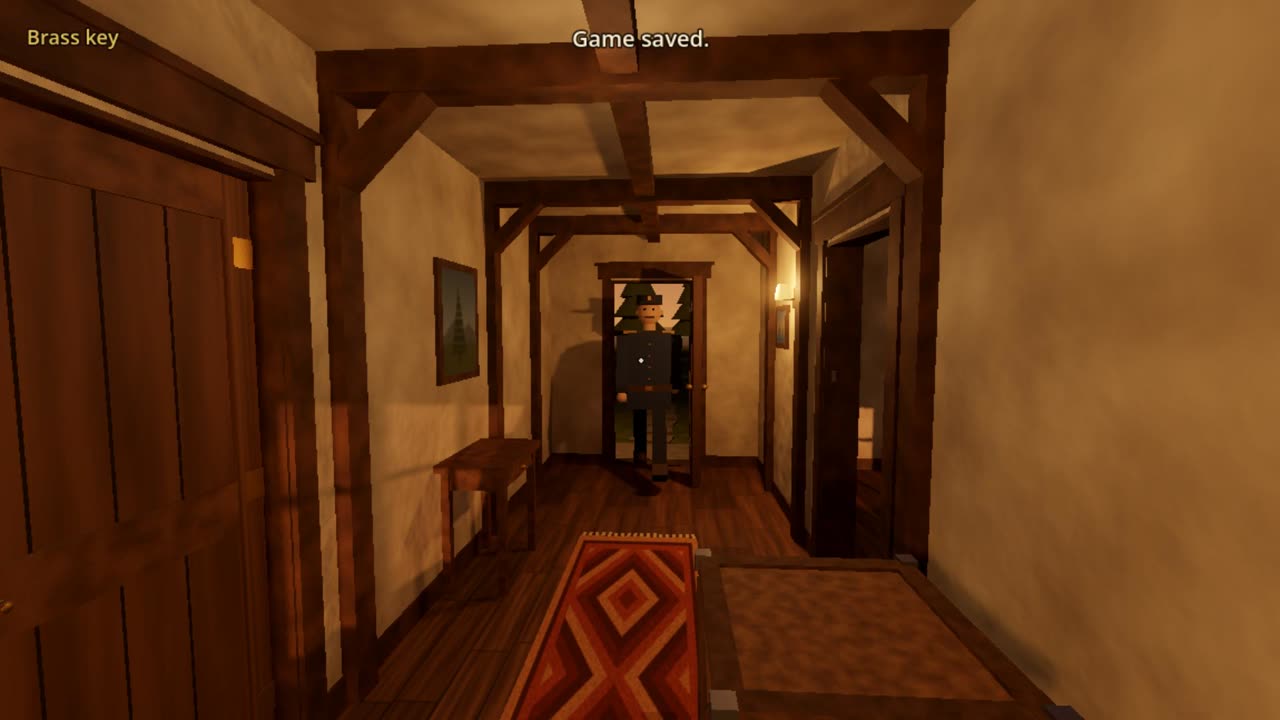
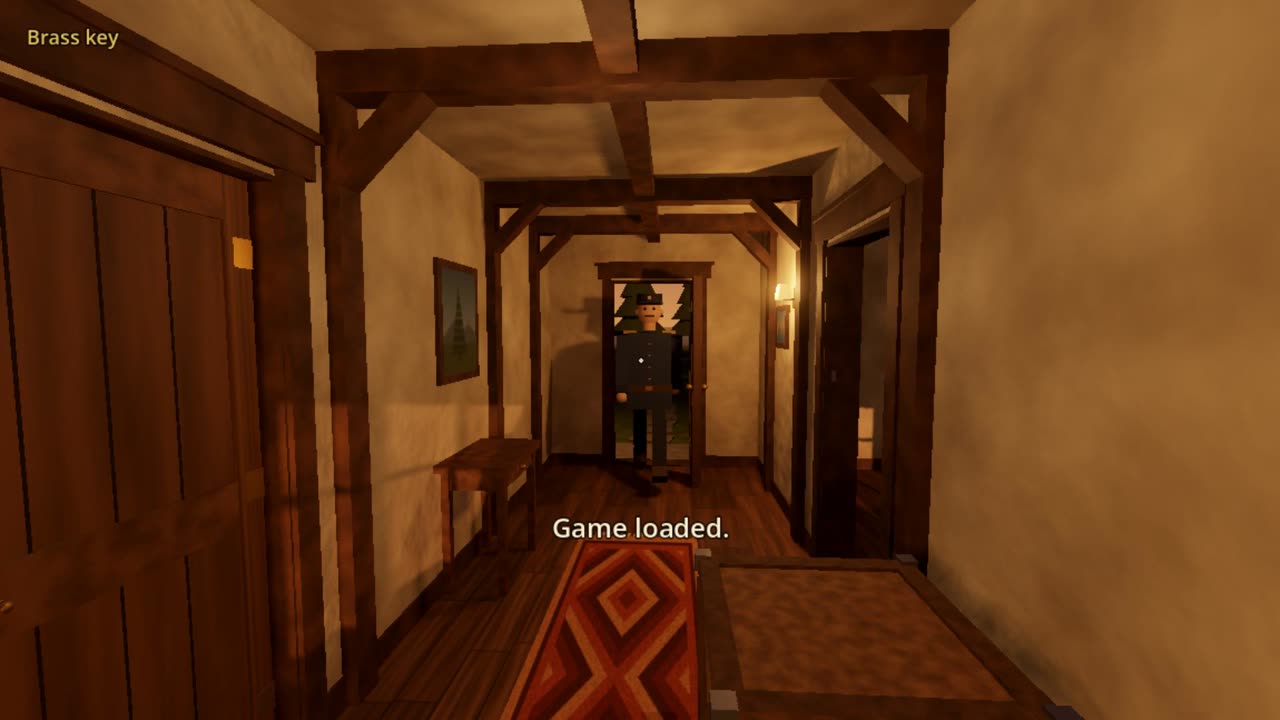
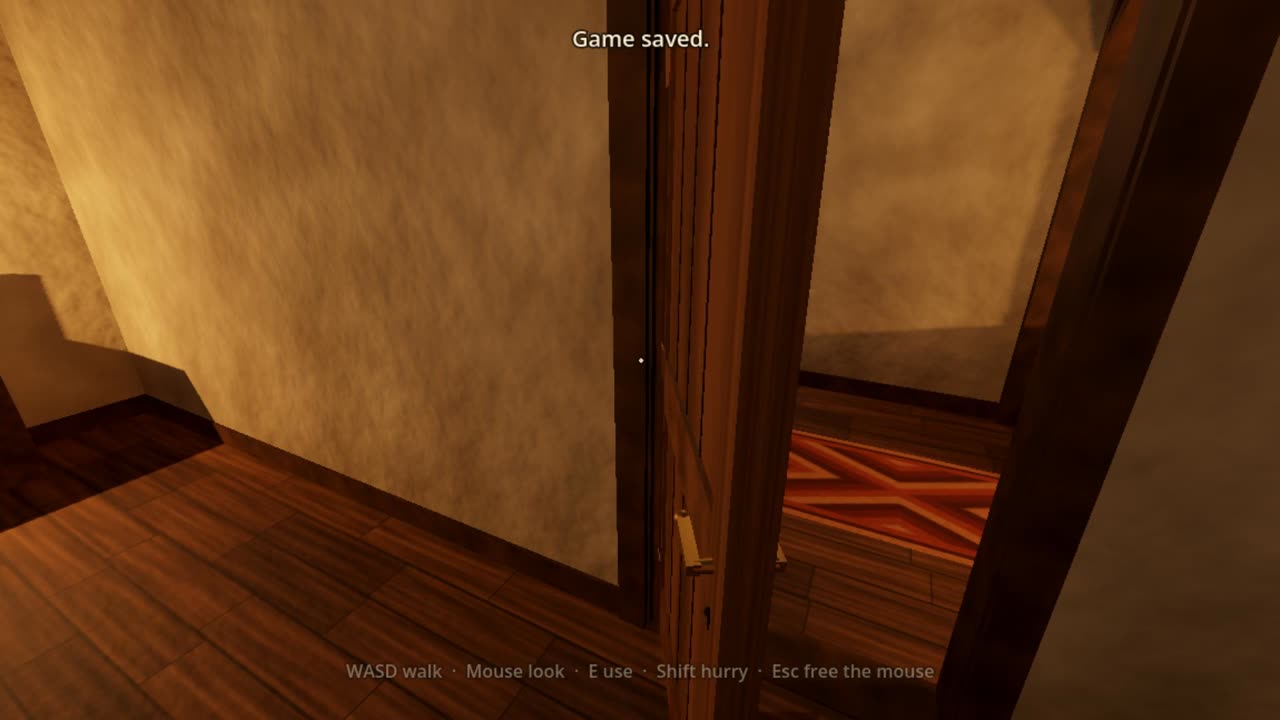
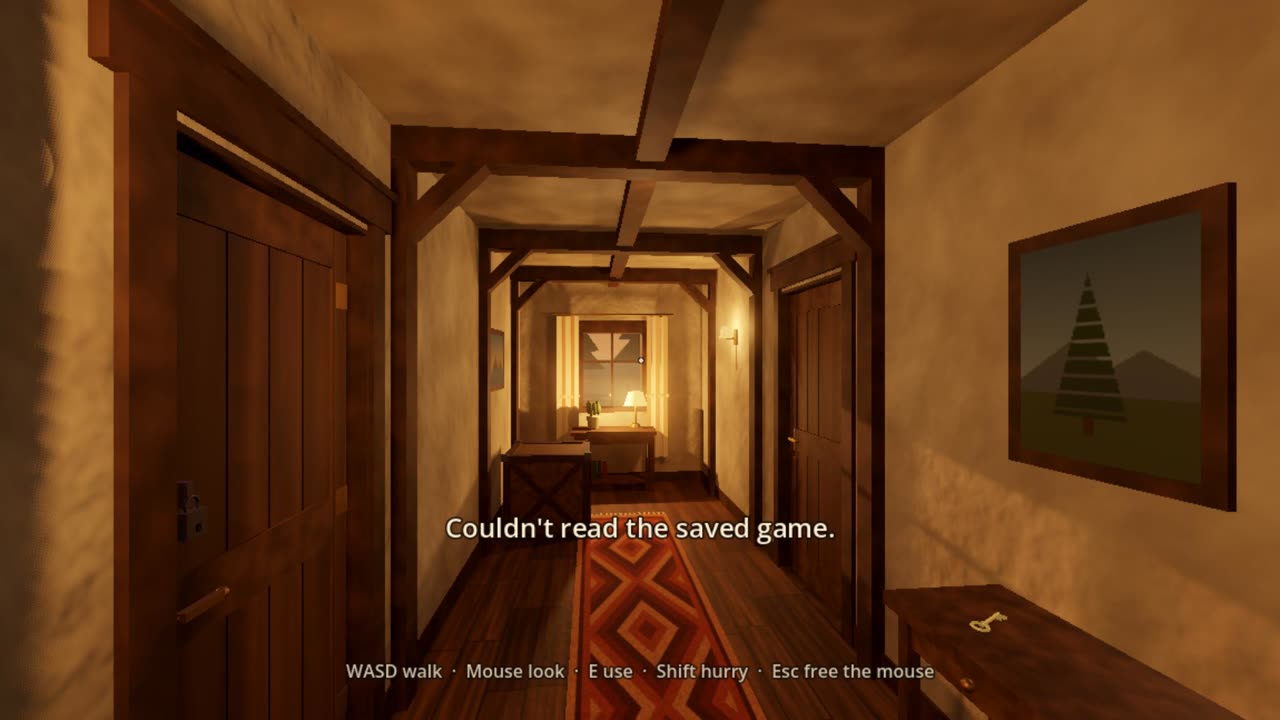
Can an AI model add saving and loading to a game that already exists, and get it right? Claude Opus 5.5 in Claude Code and GPT-6.1 Sol in Codex got the same finished Godot game, a small house with four doors, a key, a padlock, a crate and a guard on his round, and one job: F6 saves, F7 loads, and after a load the game carries on exactly as if it had never stopped.
The test
First, how shipped games save: a typewriter in Resident Evil 2, a checkpoint in Halo: Reach, a quick save in Half-Life 2, and what a good save and a bad one look like. Then each model's work was tested the same way: save in the middle of things (a door mid-swing, a padlock falling, the guard in a doorway), quit, load, and compare 124 values against the same game left running. Plus seven presses in a row, and a save file cut in half.
The prompt
The exact prompt both got:
This is a small first-person Godot game that already works: a house with four doors, a brass key, a padlock, a wooden crate you can push, and a guard who walks a round through the house, opening doors and closing them behind him. The house is built from code when the game starts; the code is in the game folder. Read it first. Then add saving and loading. F6 saves the game and F7 loads the last save, at any moment and as often as the player likes, and a line on screen says when the game has been saved or loaded. A save survives quitting: after the game has been closed and started again, F7 brings the saved game back. A load puts the whole game back exactly as it was at the moment it was saved, so that what happens next is what would have happened if it had never stopped. If there is nothing to load, or the save can't be read, the game says so and carries on. Don't change how the game plays, looks or sounds apart from that. Run and test the game only through Flockbay's tools: flockbay_play, flockbay_run_headless, flockbay_script_errors, flockbay_game_input, flockbay_game_get, flockbay_game_set, flockbay_game_screenshot, flockbay_last_run and flockbay_stop. Don't start Godot from your own shell, and if one of those tools can't do something you need, say exactly what was missing in your handover. Test your own work, fix what you find, and hand it over when you think it's done.
What was judged
What comes back: of everything in the house that can change, how much is right after a load, in the same session and after a quit.
What happens next: the doors, the guard and the crate after the load, against the game that never stopped.
What the file is: where it is written, how big, in what format, and what the game does when it is missing or damaged.
Whether the game is otherwise the game it was.
What it cost: tokens, calls, time, and the estimated API bill.
In the video
[0:00](https://www.youtube.com/watch?v=3XYIJmkXeiA&t=0s) How games save, good and bad
[0:39](https://www.youtube.com/watch?v=3XYIJmkXeiA&t=39s) The job: add save and load
[1:12](https://www.youtube.com/watch?v=3XYIJmkXeiA&t=72s) Opus: save, quit, load
[1:50](https://www.youtube.com/watch?v=3XYIJmkXeiA&t=110s) What a save has to hold
[2:06](https://www.youtube.com/watch?v=3XYIJmkXeiA&t=126s) The real test
[2:28](https://www.youtube.com/watch?v=3XYIJmkXeiA&t=148s) GPT-6.1 Sol
[2:44](https://www.youtube.com/watch?v=3XYIJmkXeiA&t=164s) Trying to break them
[3:05](https://www.youtube.com/watch?v=3XYIJmkXeiA&t=185s) The one difference
[3:16](https://www.youtube.com/watch?v=3XYIJmkXeiA&t=196s) What only Sol's game did
[3:36](https://www.youtube.com/watch?v=3XYIJmkXeiA&t=216s) Under the hood
[4:17](https://www.youtube.com/watch?v=3XYIJmkXeiA&t=257s) The bill
[4:30](https://www.youtube.com/watch?v=3XYIJmkXeiA&t=270s) The verdict
The results, measured
| Opus 5.5 | GPT-6.1 Sol | |
|---|---|---|
| Minutes, start to handover | 13.6 | 24.4 |
| Estimated bill at API prices | $4.34 | $1.17 |
| Lines added, tests included | 1,022 | 957 |
| Loads that match the game left running on all 124 values | 25 of 26 | 25 of 26 |
| The one that does not: a quit, then a load into the guard's path | 106 of 124, the guard 0.2 s late | 106 of 124, the guard 0.2 s late |
| A save file cut in half, emptied or replaced | a line on screen, the game carries on | a line on screen, the game carries on |
| Frames over 20 ms at a save or a load | none | none |
| Its own save tests, run here | 47 of 47 | 47 of 47 |
| The house's door tests, run here | 45 of 45 | 45 of 45 |
| Drives that still play as the starting game before any load | 22 of 22 | 13 of 22 |
Costs are estimates at public API prices, read on the day. Both runs went through a subscription. The starting game is the house Opus built in our doors episode.
From the filmed games