Why jump height is a level design decision
Every gap in a platformer is measured in jumps. Change the jump after the level exists and you have silently redesigned the level.
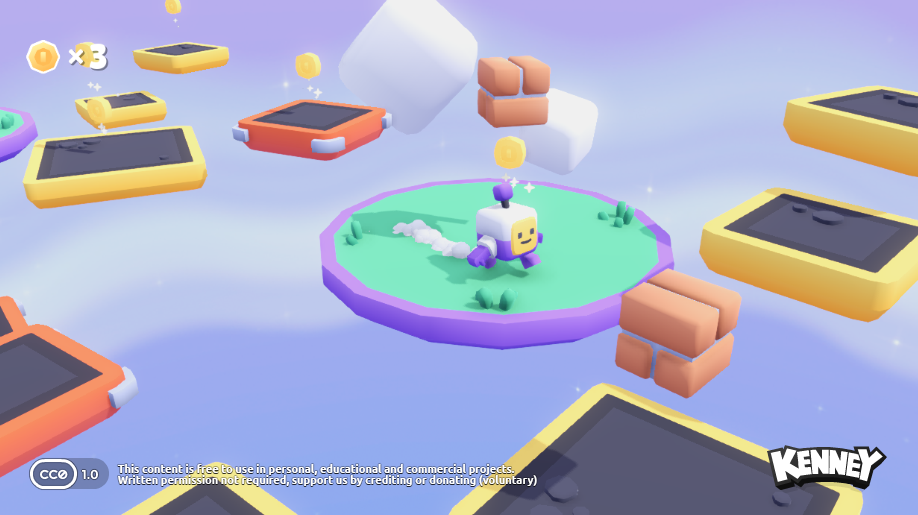
The jump is the unit of measurement
In a platformer, the jump arc defines the grammar of the entire game. The maximum horizontal distance a player can cover becomes the maximum gap. The peak height becomes the tallest reachable ledge. Every piece of geometry is implicitly sized in multiples of that arc, whether or not anyone wrote the number down.
This is why increasing jump height late in development is so disruptive. It does not simply make the character jump higher. It makes every gap easier, every ledge reachable from places you did not intend, and every carefully tuned near-miss into a comfortable step. Shortcuts appear across the level that nobody designed.
The practical rule is to settle the jump before building much space, and to treat later changes to it as a decision to revisit the level rather than a character tweak.
A jump is more numbers than you expect
Jump height is the obvious one. Gravity determines how fast you come back down, and is the main lever on whether a jump feels weighty or floaty; a high jump with low gravity feels like the moon, and the same height with strong gravity feels athletic.
Air control decides how much the player can steer mid-flight. Realistically this should be almost none. In practice, almost every good platformer allows a generous amount, because committing to a jump with no correction is punishing in a way that stops being fun quickly.
Then there are the forgiveness mechanics that players never notice and would immediately miss. Coyote time keeps the jump available for a fraction of a second after walking off a ledge. Jump buffering registers a press made slightly before landing. Both exist because human timing is imprecise, and without them a game reads as unresponsive even when it is technically correct.
What collectibles are actually for
Coins and pickups look like reward. Their more important job is instruction. A line of coins arcing over a gap tells the player the gap is jumpable and shows the path through it, without a tutorial message. Players follow collectibles instinctively, which makes them the cheapest way to teach a route.
This also means careless placement actively misleads. A coin somewhere genuinely unreachable reads as a puzzle the player has failed to solve, and they will spend real time trying. Placement is a promise about what is possible.
Where the camera fits
A platformer camera has a specific obligation the third-person camera does not: it must show the landing. A player mid-jump needs to see where they are going to come down, which usually means the camera leads slightly in the direction of travel and pulls back a little as vertical speed increases.
Most "unfair" platforming is a camera problem rather than a difficulty problem. If the player cannot see the platform they are aiming at during the jump, no amount of tuning will make the jump feel fair.